




01
Define what was measured
Name the company environment, role, request group, and analysis boundary.
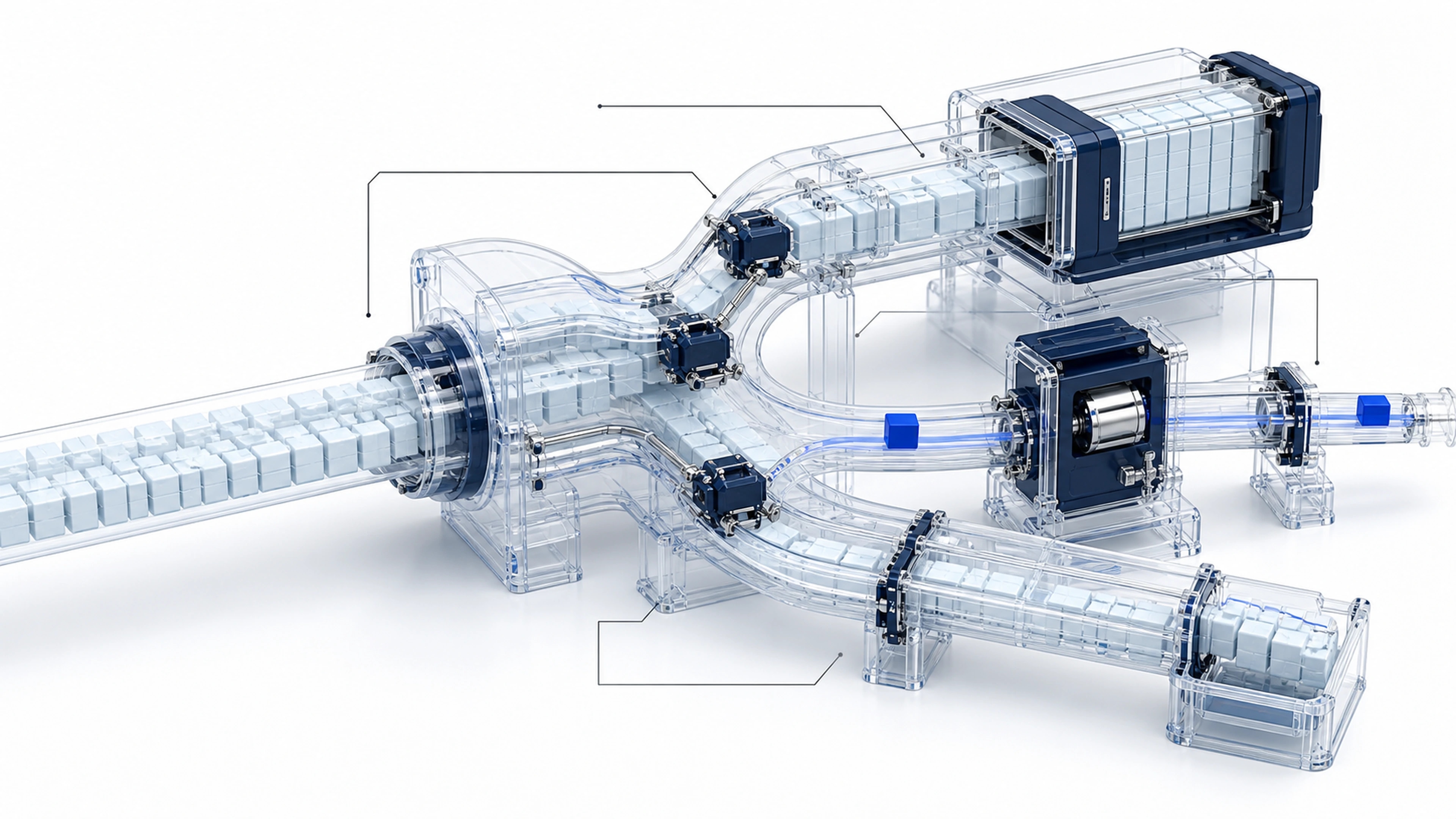
Companies repeatedly pay people and models to resolve questions and procedures the business has already handled. Tribble measures how often that happens and when approved work can be reused without lowering quality.
The research program groups genuinely similar requests, compares ways to run the same work, measures cost, and checks whether answer quality still meets the required bar.
Every published result names what was measured, how it was compared, and where the conclusion stops. Your workload is measured separately during a Production Proof.
Name the company environment, role, request group, and analysis boundary.
Test different approved execution paths against the same tasks and quality bar.
Record the source, method, limitation, date, and denominator behind every number.
Do not generalize route performance, quality, or savings beyond the measured workload.
Every comparison names the workload, quality bar, method, denominator, and limitation.

Group exact repeated request patterns within a defined population.
Identify work eligible for controlled route comparison.
Apply evidence and evaluation requirements before cost interpretation.
Release only claims with a named population, comparison, method, scope, and limitation.
Until the research claim clears approval, these named customer outcomes are the public proof. Each belongs to the application and population that earned it.
In one working session, we map the current applications, model spend, repeated work, and the first result worth proving. You keep the map either way.